
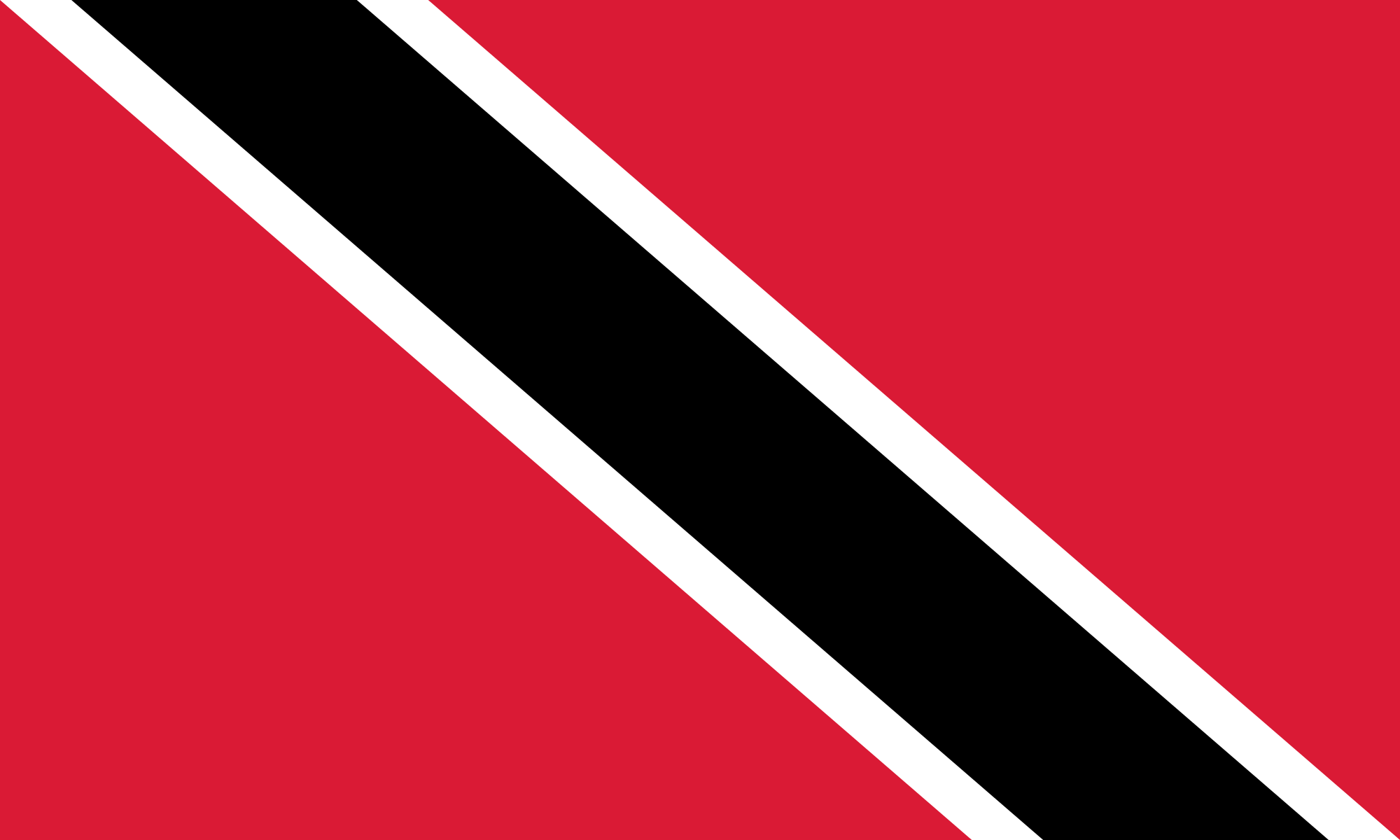
Trinidad and Tobago
Together we Aspire, Together we Achieve
About Trinidad and Tobago
Trinidad and Tobago is an island nation consisting of two main islands—Trinidad and Tobago—along with several smaller islands. The country lies close to the South American mainland, with Venezuela located to the south-west and Guyana to the south-east. Trinidad is characterised by three mountain ranges, numerous waterfalls, and sandy beaches, while Tobago features a central mountain ridge as well as beaches and coral reefs along its coast.
Quasi Cabinet Portfolio Allocation
Energy and Security (Drugs and Illicit Arms)
About Trinidad and Tobago
Key facts
Date of Membership in CARICOM: 1 Aug 1973
Also Known as:Land of the Humming Bird
Status of Independence:Independent 1962/08/31
Area: 5,128 km2 (1,980 miles2)
Capital City: Port-of-Spain
Population: 1,308,600 (208)
Currency: Trinidad and Tobago Dollar (TT)
Highest National Award: Trinity Cross
Economy
GDP Growth: -0.6% p.a. 2009–13
GNI: US$21.2bn
GNI PC: US$15,760
Key dates in history
1498 Arrival of Columbus on island known to Amerindians as `Iere” (land of the Humming Bird). Renamed Trinidad by Columbus for the three hills sighted from the sea; Tobago also sighted by Columbus; name derived from corruption of word `tobacco’ planted by Amerindians on island
1592 First European settlement by Spain
1783 Spain grants permission to French-speaking Roman Catholics to settle
1797 Captured by Britain from Spain
1802 Tobago finally ceded to Britain by France
1888 Administrative union of Tobago and Trinidad
1937 Violent labour unrest leads to several deaths
1958 Joined West Indies Federation
1962 Independence achieved. Dr. Eric Williams, first Prime Minister
1970 Black power demonstrations and army mutiny
1976 Republican Status, Sir Ellis Clarke, first President
1990 Attempted coup foiled
Key Dates in History
-
1962
-
1968
Joins CARIFTA
-
1973
Hosts signing of the Treaty of Chaguaramas establishing CARICOM
-
1989
Hosts Grand Anse process discussions on deeper integration
-
1992
Supports advancement of regional economic reforms
-
2001
Signs Revised Treaty of Chaguaramas
-
2005
Hosts inauguration of the Caribbean Court of Justice
-
2006
Participates in formal launch of the CARICOM Single Market
-
2023
Celebrates fifty years since CARICOM Treaty signing