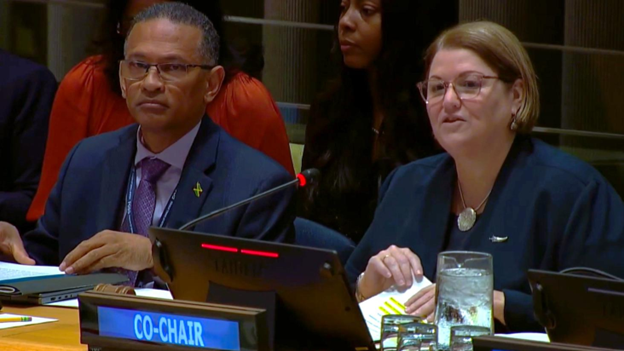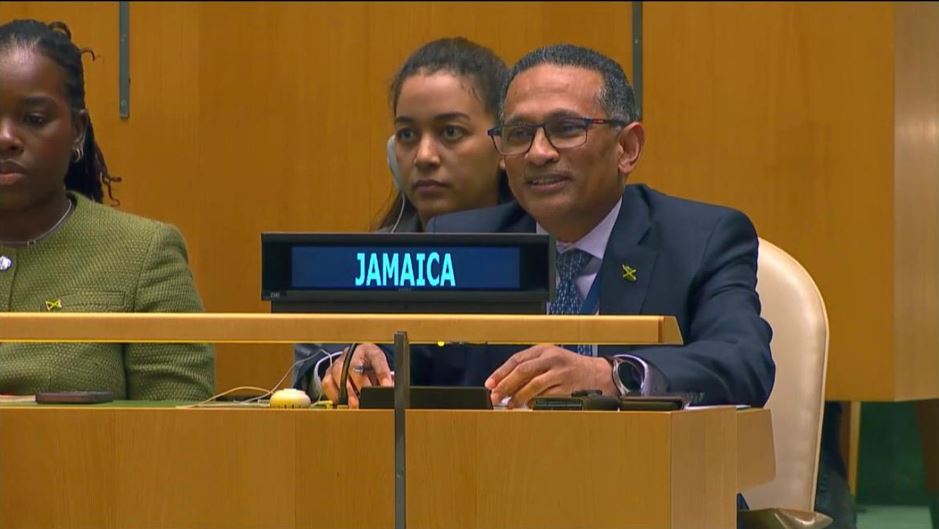
In a year defined by reflection and renewal across the multilateral system, Ambassador Brian Wallace of Jamaica has emerged as a steady and inclusive leader at the heart of one of the United Nations’ most consequential reform efforts. As Co-Chair of the Informal Ad Hoc Working Group on Mandate Implementation Review, he has played a pivotal role in ensuring that the voices of small states are not only heard—but actively shape the future of how the United Nations delivers on its mission. The Working Group on Mandate Review, co-led with Ambassador Carolyn Schwalger of New Zealand for a period of six months, was tasked with a challenging but vital mission: to examine how existing UN mandates—some decades old—could be rationalized, updated, or improved to better align with contemporary global needs. Under the UN80 Initiative, this effort took on renewed urgency, aiming to enhance efficiency, eliminate duplication, and strengthen delivery across the UN system and across the peace and security, development, human rights and humanitarian pillars.
Delivering Results: A Consequential Outcome
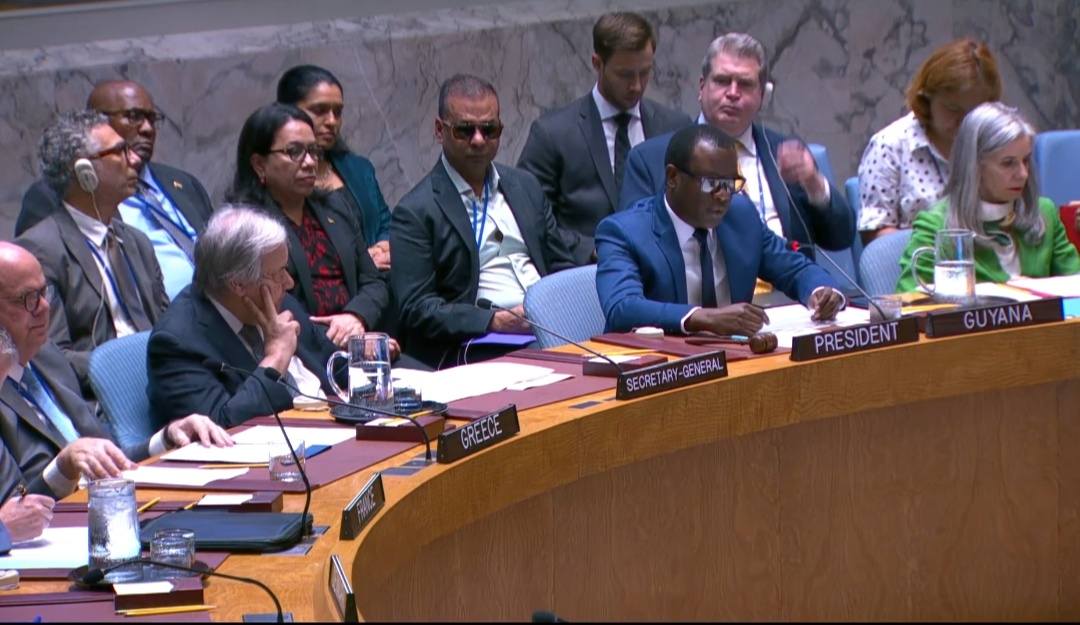
The culmination of the Working Group’s efforts came with the successful conclusion of negotiations and the adoption of a historic resolution by the General Assembly on the 31st March, the last day of its mandate. The outcome was widely praised as balanced, forward-looking, and reflective of broad Member State ownership. The resolution introduced measures to strengthen mandate creation, bringing greater discipline, coherence and transparency, and encouraging mandates that are clearer, sharper and more focused, backed by better information for decision-making from the outset, encouraging periodic review, better coordination and more strategic alignment with current global priorities.
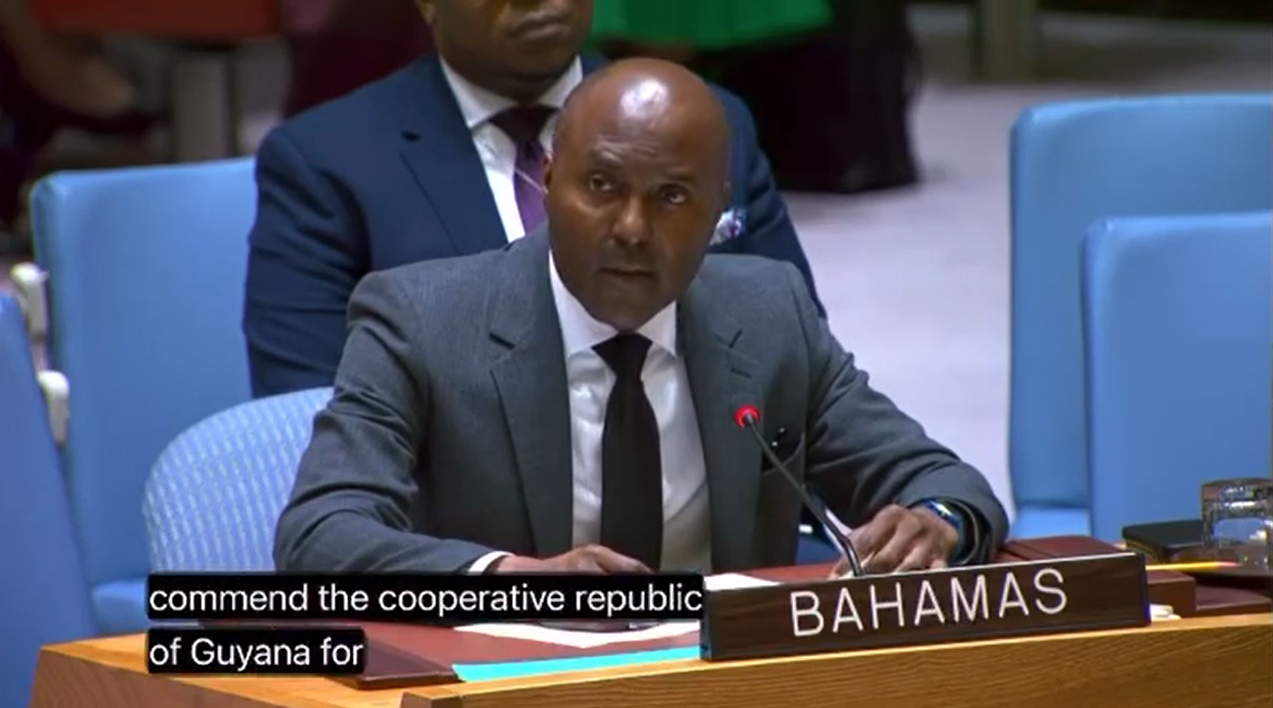
Many Member States lauded the transparent and participatory manner in which the work had been conducted—crediting the co-chairs, including Ambassador Wallace, for creating space for meaningful contributions. One of Ambassador Wallace’s most significant contributions was ensuring that small states were not sidelined in a process often dominated by larger players. By actively reaching out, facilitating access to discussions, and reinforcing the value of diverse perspectives, he helped democratize the reform process and was helpful in shaping the substance of the outcome. The final resolution reflects concerns central to small states, including the need for equitable resource allocation, sensitivity to capacity constraints, and the importance of mandates that are realistic and implementable across different contexts.
A Model for Future Reform
As the UN continues to evolve under the UN80 Initiative, the mandate review process co-led by Ambassador Wallace offers a model for how reform can be conducted: inclusively, transparently, and with genuine respect for the diversity of the UN membership. His leadership demonstrates that effective multilateralism is about patience, trust, and shared ownership. In a time when the relevance and effectiveness of international institutions are under scrutiny, his work stands as a reminder that thoughtful, inclusive diplomacy can still deliver meaningful change. In his final statement as the work of the Co-Chairs ended, Ambassador Wallace concluded simply that “with this outcome, the United Nations has signaled that it can, and it will do better.”