
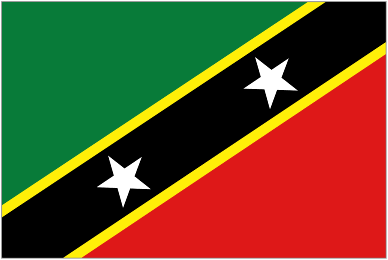
St Kitts and Nevis
Country above Self
About St Kitts and Nevis
St Kitts and Nevis is a twin-island nation located in the eastern Caribbean Sea. Both islands were formed through volcanic activity and are characterised by mountainous terrain. Saint Kitts is a fertile island known for its dark volcanic, black-sand beaches, while Nevis is encircled by coral reefs and features distinctive silver-coloured sandy beaches.
Quasi Cabinet Portfolio Allocation
Human Resource Development, Health and HIV/AIDS
About St Kitts and Nevis
Key facts
Date of Membership in CARICOM: 26 Jul 1974 Also Known as:Mother Colony of the West Indies Status of Independence:Independent Area: 269 sq km (104 miles2) Capital City: Basseterre Population: 54,000 (2013) Currency: Eastern Caribbean Dollar (EC$) Highest National Award: Order of the National Hero
Economy
GDP Growth: 0.9% p.a. 2009–13 GNI: US$724m GNI PC: US$13,460
Key dates in history
Key Dates in History
-
1968
Territory joins CARIFTA.
-
1974
Joins CARICOM.
-
1983
Achieves Independence.
-
1989
Supports Grand Anse Declaration.
-
1993
Participates in regional OECS integration initiatives.
-
2001
Signs Revised Treaty of Chaguaramas.
-
2005
Participates in CCJ framework.
-
2006
Joins CSME implementation.
-
2019
Advances sustainable island development agenda regionally.
-
2023
Celebrates forty years of Independence within CARICOM.