
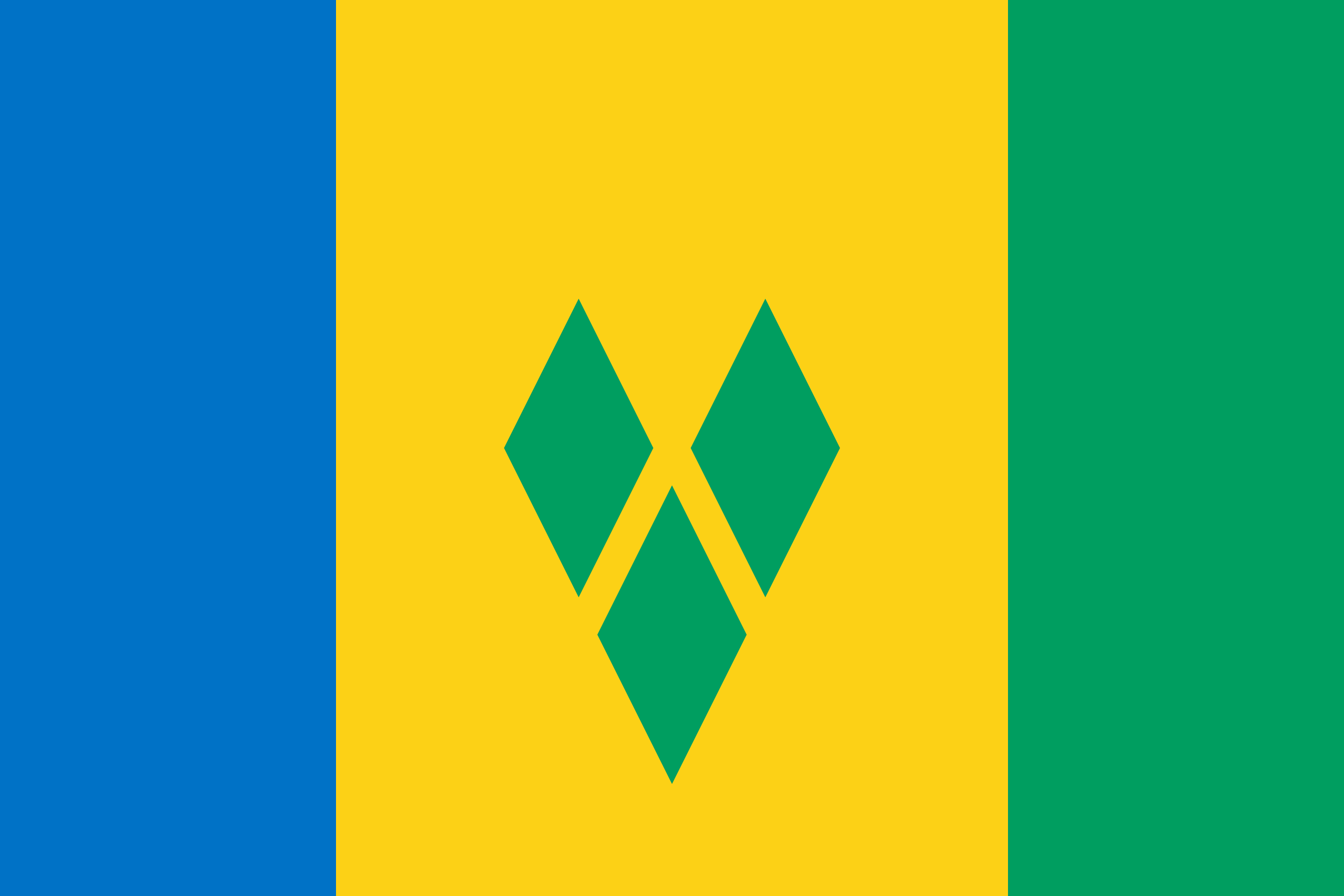
St Vincent and the Grenadines
Peace and Justice
About St Vincent and the Grenadines
St Vincent and the Grenadines is located in the eastern Caribbean Sea and consists of the main island of Saint Vincent and the northern Grenadines, a chain of 32 smaller islands and cays extending to the south. The southern Grenadines form part of Grenada. The country is of volcanic origin, with Saint Vincent featuring mountainous terrain and an active volcano. Much of the islands’ landscape is covered in lush tropical forests.
Quasi Cabinet Portfolio Allocation
Transport (Maritime and Aviation)
About St Vincent and the Grenadines
Key facts
Date of Membership in CARICOM: 1 May 1974
Also Known as:Jewels of the Caribbean
Status of Independence:Independent 1979/10/27
Area: 389 km2 (150 miles2)
Capital City: Kingstown
Population: 100,892 (2009)
Currency: Eastern Caribbean Dollar (EC$)
Highest National Award: Order of British Empire and Member of British Empire
Economy
GDP:
GDP Growth: –0.6% p.a. 2009–13
GNI: US$722m
GNI PC: US$6,580
Key dates in history
1675 Africans arrive via shipwrecked Dutch slave ship. They settled and inter married with Caribs, Establishing a Black Carib Community – the Garifuna
1772 Attempts made by Britain to colonise the island but encountered French settlers
1783 Finally ceded to Britain following numerous battles for possession with France
1796 Black Carib revolt crushed by Britain. 5,000 Black Caribs deported to Roatan (Honduras)
Eruption of La Soufriere volcano, killing 2,000 people
1958 Member of the West Indies Federation
1969 Associated Statehood with Britain (full internal self-government) within WISA. Milton Cato,
First Premier
1979 Independence achieved. Milton Cato, First Prime Minister
Key Dates in History
-
1968
Territory joins CARIFTA.
-
1974
Joins CARICOM.
-
1979
Gains Independence.
-
1989
Supports Grand Anse Declaration.
-
2001
Signs Revised Treaty of Chaguaramas.
-
2005
Participates in CCJ framework.
-
2006
Joins implementation of the CSME.
-
2021
Regional response mobilised after La Soufrière volcanic eruptions.
-
2022
Advances climate resilience and disaster preparedness advocacy.
-
2024
Continues leadership in regional integration discussions.